There is a reason dry-erase learning tools keep showing up in classrooms, homeschool carts, tutoring folders, and kitchen tables. They make practice easier to repeat. A child can try a math fact, label a map, trace a word, circle a detail, make a mistake, wipe it clean, and do it again without needing a fresh worksheet or a new printout.
That repeatable loop matters. Kids rarely remember something because they saw it once. They remember because they return to it, retrieve it, correct it, and use it in different contexts. Reusable tools make that kind of practice feel less heavy. A laminated chart or binder insert says, "This is practice. You can change it." For a child who worries about being wrong, that is a big deal.
Dry-erase tools also solve a practical adult problem: nobody wants to prep endless one-use sheets. Teachers have enough printing. Homeschool parents have enough piles. Tutors need materials that can move between students. A reusable study tool is not magic, but it is efficient. It keeps the core information ready when you need it.
Practice gets better when mistakes are easy to fix
Some children shut down when a worksheet starts looking messy. A crossed-out answer can feel like failure, even when the mistake is part of learning. Dry-erase practice changes the emotional temperature. The mark is temporary. The correction is quick. The child can wipe and retry before the page becomes a record of everything that went wrong.
This is especially helpful for math facts, spelling, map labeling, handwriting warmups, and memory work. Those skills need repetition, but repetition can feel boring or stressful if every attempt is permanent. A laminated tool lets the adult say, "Try it again," in a way that feels light.
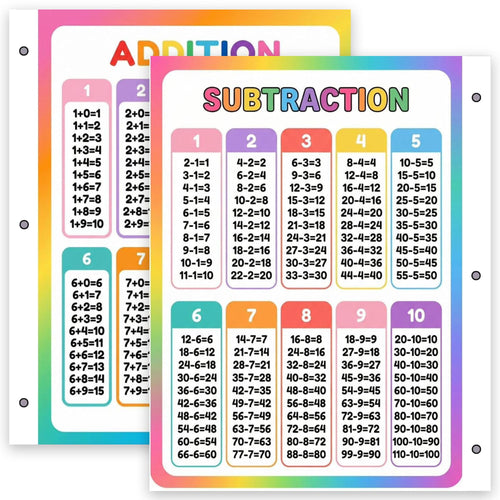
The Addition and Subtraction Math Facts Reference Chart works well for this because children can use it as both a reference and a practice surface. One minute they are checking a fact. The next minute they are covering part of the chart and testing recall. That flexibility is useful at home, in small groups, and during independent practice.
Reusable does not mean random
The best reusable tools still need a routine. A laminated chart sitting in a drawer will not teach much by itself. The adult job is to make the practice specific: three minutes of math fact recall, one map labeling challenge, one vocabulary review, one before-school warmup, one end-of-lesson check. The tool supports the habit.
Try creating a tiny daily practice menu. Monday might be map labels. Tuesday might be math facts. Wednesday might be feelings vocabulary or safety visuals. Thursday might be science terms. Friday might be review choice. Keep the routine short enough that it can happen even on messy days. Consistency beats intensity.
For a classroom, reusable charts can live in stations. For homeschool, they can live in a morning basket. For tutoring, they can live in a binder. If you are building a set, browse Binder Inserts, Study Maps, and all Jelly Bean Genius products to mix tools by subject and age.
Why retrieval practice is the quiet hero
Looking at information is not the same as remembering it. Kids need chances to pull information from memory. That is retrieval practice in plain language: hide the answer, try to remember, check, correct, repeat. Dry-erase tools make retrieval simple because children can cover, write, erase, and check without extra setup.
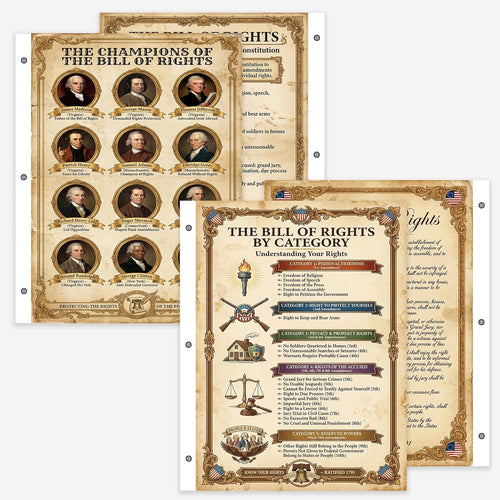
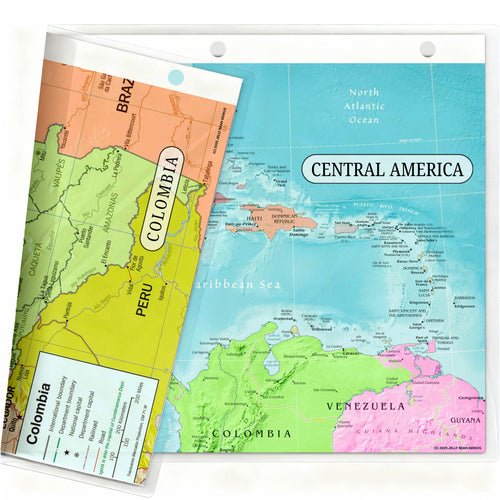
For math, this might mean covering parts of a reference chart and filling in missing facts. For geography, it might mean labeling a blank map after studying the labeled side. For history, it might mean listing rights, branches of government, or key terms from memory before checking a poster. For social emotional learning, it might mean naming a feeling and choosing a strategy without adult prompting.
The key is to make the challenge small enough that the child will attempt it. Fill the entire chart can feel too big. Fill three facts you know and one you want to learn feels manageable. Success builds momentum. Momentum builds practice time.
Use the same tool in different ways
A good learning tool should do more than one job. A math chart can be a reference, a quiz mat, a warmup, a station card, or a homework helper. A map can be wall decor, a labeling challenge, a history prompt, or a travel route activity. A feelings chart can support morning check-ins, conflict resolution, writing prompts, or calm corner routines.
This is why many Jelly Bean Genius tools are laminated and sized for real use. They are not only there to make a space look educational. They are made to be handled. Kids can write on them, point to them, bring them to a table, and use them repeatedly. That kind of physical interaction is often what turns a passive poster into a learning support.
If you are building a reusable kit, think by function. Choose one tool for reference, one for practice, one for room support, and one for a current subject focus. You do not need everything at once. You need the right few things close enough to actually use.
Make binder inserts work harder
Binder inserts are underrated because they are so simple. A child can keep them in a homework binder, a homeschool notebook, a tutoring folder, or a desk station. They are easy to pull out for a two-minute check. They are also useful for children who need a reference nearby but do not want to ask for help every time.
For elementary math, a facts insert can reduce friction while skills are still developing. For older students, a reference chart can support review, test prep, or independent practice. For mixed-age families, binder inserts can travel from one child to another without being consumed.
Explore the Binder Inserts collection if you want compact tools that sit inside existing routines. They pair well with Math and Geography and Maps products because children can move between quick reference and bigger wall or table practice.
Reduce waste without reducing practice
Reusable tools also answer a practical classroom and home concern: paper piles. Practice matters, but endless paper can become expensive, messy, and hard to manage. Laminated tools let children repeat core skills many times without producing a stack of half-used pages.
This does not mean worksheets are bad. Sometimes a paper sheet is exactly what you need. But if the same kind of practice happens every week, it probably deserves a reusable version. Math facts, map labels, tracing, definitions, matching, and routine visuals are all strong candidates.
Reusable materials also make cleanup easier. Keep a few dry-erase markers, a small cloth, and a folder or bin. Teach children to wipe the tool at the end of practice. The routine becomes part of independence.
Shop the reusable practice idea
Start with the tool you will use most often, not the one that looks most exciting. If math facts are the daily pinch point, start with a math insert. If geography is part of your curriculum, start with a reusable map. If emotional regulation is the challenge, start with a calm corner visual. You can browse by need through Shop All, Binder Inserts, Study Maps, or Shop by Subject.
Reusable learning tools are not about making everything perfect. They are about making practice easier to come back to. Write, wipe, retry. That little loop is often where confidence starts.
Quick FAQ
Are dry-erase tools only for younger kids? No. Younger kids may use them for tracing and basic recall, while older students can use them for review, labeling, and test prep.
What markers should I use? Standard dry-erase markers work for most laminated surfaces. Keep a small cloth nearby and test new markers on a corner first.
How do I stop practice from getting boring? Change the prompt, not the whole tool. Time challenges, partner quizzes, cover-and-check, and one-minute reviews can keep the routine fresh.
What is the best first reusable tool? Pick the subject that causes the most repeated practice in your house or classroom. Math facts and maps are common first choices.
Can reusable tools support independent learning? Yes. When a child knows where the reference lives and how to use it, they can check answers and practice with less adult prompting.
How to use this this week
The easiest way to turn this idea into action is to pick one small routine and repeat it for five days. Do not rebuild the whole room, rewrite the whole lesson plan, or buy every possible material at once. Choose the part of the day that already needs support and place the visual tool there. Morning warmups, small-group rotations, homework time, quiet reading, and end-of-lesson review are all good candidates because children already expect a routine in those moments.
On day one, model the routine yourself. On day two, let a child help. On day three, ask students to explain the steps back to you. On day four, use the tool with a slightly harder prompt. On day five, keep the tool available and notice whether children reach for it with less adult direction. That simple progression gives the visual a real job instead of leaving it as another nice-looking item on the wall.
If you are teaching a group, write the prompt on the board before students arrive. If you are using the idea at home, put the prompt on a sticky note beside the material. The less you have to explain in the moment, the more likely the routine is to happen. Small routines are where reusable practice starts to feel natural.
What to buy first
Start with the product or collection that supports the routine you will actually repeat. If the challenge is reference and recall, choose a laminated study tool. If the challenge is classroom flow, choose a visual that sits near the transition point. If the challenge is building background knowledge, choose a map or subject chart that can stay visible all week. You can always build out the set later.
Useful internal starting points include Binder Inserts, Study Maps, and Math. Those pages keep the browsing focused around practical classroom and home use, which is better than collecting random resources that never make it into the routine.
A simple reusable practice drawer
One way to make reusable tools stick is to give them a permanent home. A small drawer, bin, folder, or cart can hold the laminated tools, two dry-erase markers, a cloth, and a few prompt cards. When practice time starts, nobody needs to hunt for materials. The lower the setup friction, the more often children will actually practice.
Keep the prompt cards short. Write things like: fill three facts, label five places, circle the answer, cover and check, explain one word, or try again from memory. These prompts can work across different products, which saves adults from creating new instructions every day. The same structure can support math on Monday, maps on Tuesday, and vocabulary on Wednesday.
It also helps to let children see their own progress without turning the tool into a grade. A child can keep a simple tally of how many facts they remembered this week, which map labels felt easier, or which strategy helped them focus. That kind of reflection builds ownership. The reusable tool becomes part of how they practice, not just something the adult hands over.
Keep the routine visible
The final step is to keep the tool where the routine happens. Children are more likely to use visual supports when they do not have to search for them, ask permission to get them, or wait while an adult sets them up. Place the tool close to the work, model it briefly, and return to it often. That is what turns a product into a habit.